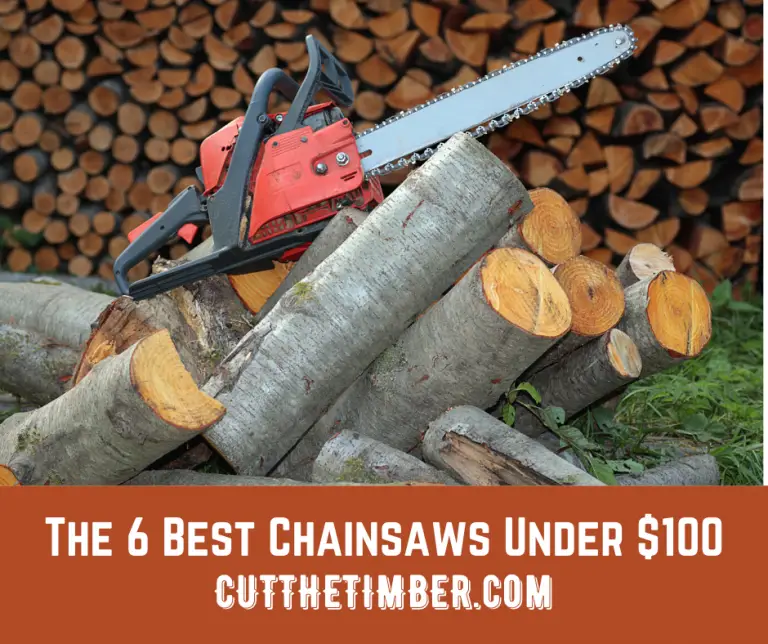
The 5 Best 12-inch Chainsaws w/Reviews
A 12-inch chainsaw is one of those tools that earns its keep without asking for much. On my Montana ranch, I reach for a compact saw whenever I’m cleaning up storm damage, trimming back overgrown brush along the fence line, or cutting limbs that don’t need a full-size bar to handle. These saws are lighter, easier to control, and a lot less intimidating than a 20-inch gas saw — especially if you’re just getting started.
If you’re a homeowner who needs a capable saw for pruning, light cutting, and general yard cleanup, a 12-inch bar is probably all you need. The best 12-inch chainsaws are compact, low-maintenance, and easy to store. Most run on battery power, which means no mixing fuel, no choke fiddling, and no pull-cord frustration.
I’ve put together this list of the five best 12-inch chainsaws based on real-world use, specs, and what I’d actually hand to a first-time buyer. Here’s what I found.
| Product | Best For | Power Type | Bar Length | Weight | |
|---|---|---|---|---|---|
| Makita XCU02PT | Best Overall | Battery (18V x2) | 12 in. | 6.6 lbs | |
| DEWALT DCCS620P1 | Best for DeWalt Owners | Battery (20V Max) | 12 in. | 8.8 lbs | |
| Greenworks 40V | Best Budget Pick | Battery (40V) | 12 in. | 7.3 lbs | |
| BLACK+DECKER LCS1240 | Best for Beginners | Battery (40V Max) | 12 in. | 7.2 lbs | |
| Tanaka TCS33EDTP | Best Gas-Powered | Gas (33cc) | 12 in. | 8.4 lbs |
What to Look For in a 12-Inch Chainsaw
Before you buy, it’s worth understanding what separates a good 12-inch saw from one that’ll frustrate you after the first season. These four factors matter most for homeowners shopping in this category.
Bar Length and What It Can Cut
A 12-inch bar is designed for light-duty work. You can cleanly cut limbs up to about 10 inches in diameter — anything bigger and you’ll be fighting the saw. That covers most pruning jobs, downed branches after a storm, and firewood rounds from smaller trees.
What it won’t do well: felling large trees, cutting thick hardwood logs, or any job that demands a longer bar to complete a cut in one pass. If you find yourself regularly working on material 12 inches or larger, you’ll want to look at a 16-inch bar instead. Understanding what size saw fits your workload before buying saves you from upgrading six months later.
For most suburban and rural homeowners doing seasonal cleanup, a 12-inch bar handles the job without the added weight and bulk of a larger saw.
Battery, Gas, or Corded?
Almost every 12-inch chainsaw on the market is battery-powered or corded electric. That’s not an accident — at this bar length, the work being done doesn’t demand a gas engine, and the convenience of a battery saw is genuinely hard to argue with.
Battery saws are my default recommendation for homeowners. They start instantly, run quietly, and need almost no maintenance. The tradeoff is runtime — most 40V batteries give you 30 to 45 minutes of cutting per charge, which is plenty for most backyard sessions.
Corded electric saws offer unlimited runtime, but you’re tied to an outlet. That’s manageable in a small yard but awkward across a property. If you want to dig deeper into which platform fits your situation, my guide to the best battery-powered chainsaws covers the major platforms side by side.
Gas is the right call if you’re working remote areas with no outlet access and need extended runtime. One model on this list fits that profile.
Weight and One-Handed Control
The 12-inch category is built for maneuverability. Most saws here weigh between 6 and 9 pounds, which makes overhead pruning and one-handed positioning much more manageable than a heavier full-size saw.
Pay attention to balance, not just raw weight. A well-balanced saw feels lighter in use and reduces fatigue during longer sessions. If you’re planning overhead cuts or working from a ladder, choose the lightest saw on this list that still meets your power needs.
Safety Features to Prioritize
Every saw here includes a chain brake — that’s non-negotiable. The chain brake stops the chain instantly if kickback occurs, and it’s the single most important safety feature on any chainsaw.
Also look for a low-kickback chain and a tip guard or reduced-kickback bar. These features are standard on most 12-inch saws aimed at homeowners, but it’s worth confirming before you buy. A chain with more cutting links can be more aggressive, so beginners should stick with the factory chain until they’re comfortable with the saw’s behavior.
Proper chain tension matters too. A loose chain is a safety hazard. All five saws below include tool-free chain tensioning, which makes it easy to check and adjust before every use.
The 5 Best 12-Inch Chainsaws: Reviews
Each of these saws was evaluated on performance, ease of use, safety features, and overall value for a homeowner audience. Here’s the full breakdown.
1. Makita XCU02PT — Best Overall
No products found.
The Makita XCU02PT runs on two 18V LXT batteries wired in series for a combined 36V output. That’s more power than most cordless saws in this category, and you feel it in how confidently it moves through dense hardwood limbs. The chain speed hits 13.1 meters per second — fast enough to handle anything a 12-inch bar should be tackling.
What I appreciate most is how quiet it runs. On a ranch where I’m working near livestock or early in the morning before neighbors are awake, a saw that cuts without screaming is genuinely useful. Zero emissions, no spark plugs, no air filter to clean. Maintenance comes down to chain tension, bar oil, and keeping the chain sharp.
The kit includes two 5.0Ah batteries and a dual-port charger, so you can keep one charging while you run the other. For a homeowner who doesn’t want to babysit battery life mid-job, that’s a practical setup. The saw weighs in at 6.6 pounds without batteries, which is light enough for extended overhead work.
If you’re only buying one 12-inch chainsaw and you want it to last a decade with minimal hassle, this is the one I’d choose.
Pros
- 36V combined output delivers strong cutting performance
- Extremely quiet compared to gas saws
- Kit includes two 5.0Ah batteries and dual charger
- Tool-free chain tensioning and blade guard adjustment
- Lightweight at 6.6 lbs (without batteries)
Cons
- Premium price point — one of the more expensive options here
- Batteries add weight when installed
- Overkill for very occasional users
2. DEWALT DCCS620P1 — Best for DeWalt Owners
No products found.
If you already own DeWalt 20V Max tools, this saw is an easy addition to your lineup. The DCCS620P1 runs on the same 20V Max battery platform as DeWalt’s drills, impact drivers, and circular saws — so if you’ve got batteries in the garage, the saw-only version is a cost-effective entry point.
The saw uses a brushless motor, which runs more efficiently and lasts longer than a brushed alternative. DeWalt’s low-kickback 12-inch bar and chain combo is well-matched for limb work and light log cutting. Chain tensioning is tool-free, and the automatic oiler keeps the bar lubricated without you having to think about it.
At 8.8 pounds with battery, it’s a bit heavier than the Makita, but still manageable for most users. The ergonomics are solid — DeWalt knows how to build a comfortable grip, and the balance point feels natural when you’re cutting at mid-height.
This is the saw I’d recommend to anyone already invested in DeWalt’s ecosystem. No reason to split your battery platforms if you don’t have to.
Pros
- Compatible with all DeWalt 20V Max batteries
- Brushless motor for longer life and better efficiency
- Automatic bar and chain oiler
- Tool-free chain tensioning
- Low-kickback bar and chain included
Cons
- Heavier than the Makita at 8.8 lbs with battery
- 20V platform delivers less peak power than 36V combined
- Kit version adds cost if you already have batteries
3. Greenworks 40V 12-Inch — Best Budget Pick
No products found.
The Greenworks 40V is where I send people who want a capable homeowner saw without spending Makita money. It cuts reliably, starts every time, and handles the kind of work most homeowners actually do — trimming branches, clearing brush, cutting up smaller logs for the fire pit.
The 40V battery delivers decent runtime for light use, and the saw includes an automatic oiler to keep the chain running clean. Chain tensioning is tool-free. The build quality isn’t premium, but it’s solid enough for a saw that’ll see a dozen uses per year.
Where Greenworks gets points is value. You’re getting a functional 12-inch battery chainsaw for significantly less than the top two picks on this list. If your yard work is seasonal and you don’t need pro-grade durability, this saw does the job without draining your budget.
One caveat: if you’re planning to use it heavily or store it in extreme cold, battery performance can drop faster than higher-end platforms. Keep that in mind if you’re in a northern climate.
Pros
- Affordable entry point for battery-powered 12-inch saws
- Automatic oiler and tool-free chain tensioning
- Handles typical homeowner pruning and light cutting
- Battery included in most kit configurations
- Lightweight and easy to maneuver
Cons
- Battery performance degrades faster in cold weather
- Not built for heavy or frequent use
- Greenworks battery platform is less widely available than DeWalt or Makita
4. BLACK+DECKER LCS1240 40V Max — Best for Beginners
No products found.
The BLACK+DECKER LCS1240 is the saw I’d hand to someone who has never used a chainsaw before. It’s designed with beginners in mind — easy to handle, easy to start, and equipped with safety features that make first-time use less stressful. If you’re looking for a place to start, the best chainsaws for beginners page covers this category in depth, but this model consistently earns its spot near the top of that list.
The saw runs on a 40V Max lithium-ion battery and includes an automatic oiler to reduce friction and extend chain life. The wrap-around bale handle provides good grip and control, and the low-profile design makes it easy to store between uses.
Chain tension adjusts tool-free. The chain brake activates quickly, and the overall weight of around 7.2 pounds keeps arm fatigue manageable during short sessions. It’s not a powerhouse, but it doesn’t need to be — this saw is built to make light work feel approachable.
Experienced users may find it underpowered for anything beyond occasional light duty. But for someone just learning how to handle a chainsaw safely, it’s a forgiving and practical starting point.
Pros
- Designed for beginner-friendly handling and control
- Automatic oiler included
- Tool-free chain tensioning
- Wrap-around bale handle for secure grip
- Affordable and widely available
Cons
- Underpowered for anything beyond light-duty work
- Battery runtime is shorter than 40V competitors
- Not ideal for frequent or heavy use
5. Tanaka TCS33EDTP — Best Gas-Powered Option
No products found.
If you need a 12-inch saw that works far from an outlet and runs indefinitely without waiting on a battery charge, the Tanaka TCS33EDTP is the answer. It’s powered by a 33cc two-stroke engine — small by gas chainsaw standards, but well-matched to a 12-inch bar and capable of sustained cutting that battery saws can’t match over a long session.
Tanaka builds commercial-grade small equipment, and the quality shows here. The engine starts reliably, the throttle response is crisp, and the saw is built to handle more abuse than a typical homeowner tool. At 8.4 pounds, it’s comparable in weight to the battery saws on this list, which is impressive for a gas engine.
The tradeoff is the maintenance commitment. Gas saws need fuel mixing, air filter cleaning, spark plug checks, and seasonal storage prep. If that sounds like too much, stick with a battery saw. But if you’re comfortable with two-stroke maintenance and need the runtime, this Tanaka is hard to beat in its size class.
Keeping the chain sharp is especially important on a gas saw — a dull chain makes the engine work harder and accelerates wear. I’d recommend bookmarking a solid guide on how to sharpen a chainsaw chain before you put serious hours on this one.
Pros
- Gas power means no battery limits — run as long as you have fuel
- Commercial-quality build for long-term durability
- Competitive weight at 8.4 lbs for a gas saw
- Strong throttle response and reliable starting
- Good choice for remote properties without power access
Cons
- Requires fuel mixing and regular maintenance
- Louder and produces emissions unlike battery saws
- Higher ongoing operating cost than electric options
Frequently Asked Questions
What can a 12-inch chainsaw cut?
A 12-inch chainsaw handles limbs, branches, and logs up to about 10 inches in diameter. It’s ideal for pruning trees, clearing brush, cutting up storm-downed branches, and processing firewood from smaller trees. It’s not the right tool for felling large hardwoods or cutting through thick timber — for that, you’d want a longer bar.
Is a 12-inch chainsaw good for firewood?
Yes, with some limitations. A 12-inch bar works well for cutting firewood from smaller trees and branches — think anything you’d split for a backyard fire pit or wood stove. If you’re processing a full cord from large rounds, you’ll work faster and easier with a 16-inch bar. But for occasional firewood cutting from manageable-sized material, a 12-inch saw does the job.
How long does a 12-inch chainsaw battery last?
Most 40V and 20V Max batteries give you 30 to 45 minutes of active cutting time per charge on a 12-inch saw. That’s enough for most homeowner sessions. Runtime varies depending on the density of the material you’re cutting and how aggressive your chain is. Buying a kit with two batteries — like the Makita XCU02PT — solves the problem entirely by keeping one on the charger while you run the other.
Is a 12-inch chainsaw enough for a homeowner?
For most homeowners, yes. If your work stays in the range of pruning, trimming overgrowth, clearing brush, and cutting up branches after a storm, a 12-inch bar covers it all. You’d only need to go bigger if you’re regularly felling trees or processing large hardwood logs. The lighter weight and easier handling of a 12-inch saw make it a better fit for occasional use than a heavier full-size model.
What’s the difference between a 12-inch and a 16-inch chainsaw?
Bar length determines how thick a piece of wood you can cut through in a single pass. A 12-inch bar maxes out around 10-inch diameter material. A 16-inch bar handles logs up to about 14 inches in diameter. Beyond cutting capacity, 16-inch saws are typically heavier and more powerful. For light yard work and pruning, a 12-inch saw is more manageable. For heavier logging or tree felling, a 16-inch bar earns its keep.
Are 12-inch chainsaws safe for beginners?
Yes — they’re one of the better starting points if you’re new to chainsaws. The shorter bar reduces kickback risk, the lighter weight makes the saw easier to control, and most 12-inch models in this category include chain brakes, low-kickback chains, and beginner-friendly ergonomics. That said, all chainsaws require respect. Always wear chainsaw chaps, eye protection, gloves, and a helmet with a face shield regardless of saw size.
Do I need a license or training to use a 12-inch chainsaw?
In the U.S., no license is required for personal use of a chainsaw. That said, taking a basic chainsaw safety course before your first use is a smart move. Many extension programs, co-ops, and outdoor retailers offer short courses. At minimum, read the manual cover to cover before you fire it up. A few hours of preparation prevents most first-timer mistakes.
How do I maintain a 12-inch chainsaw?
The basics are the same regardless of power type: keep the chain sharp, check tension before every use, and keep the bar oiler reservoir full. For battery saws, that’s most of the maintenance story. For gas saws like the Tanaka, add fuel filter checks, spark plug inspections, and air filter cleaning to the routine. A sharp chain is the single biggest factor in how well any saw performs — a dull chain makes every cut harder and increases fatigue.
My Pick
For most homeowners, the Makita XCU02PT is the 12-inch chainsaw I’d buy without hesitation. The 36V combined output gives it more cutting authority than most battery saws in this class, the dual-battery kit solves runtime concerns before they start, and the low-maintenance operation makes it genuinely easy to live with over years of use. It’s not the cheapest option here, but it’s the one you’ll still be happy with a decade from now.
If budget is a constraint, the Greenworks 40V punches above its price. And if you’re brand new to chainsaws and want something approachable, the BLACK+DECKER LCS1240 is a solid first saw. But if you want the best of the category, start here:
No products found.