
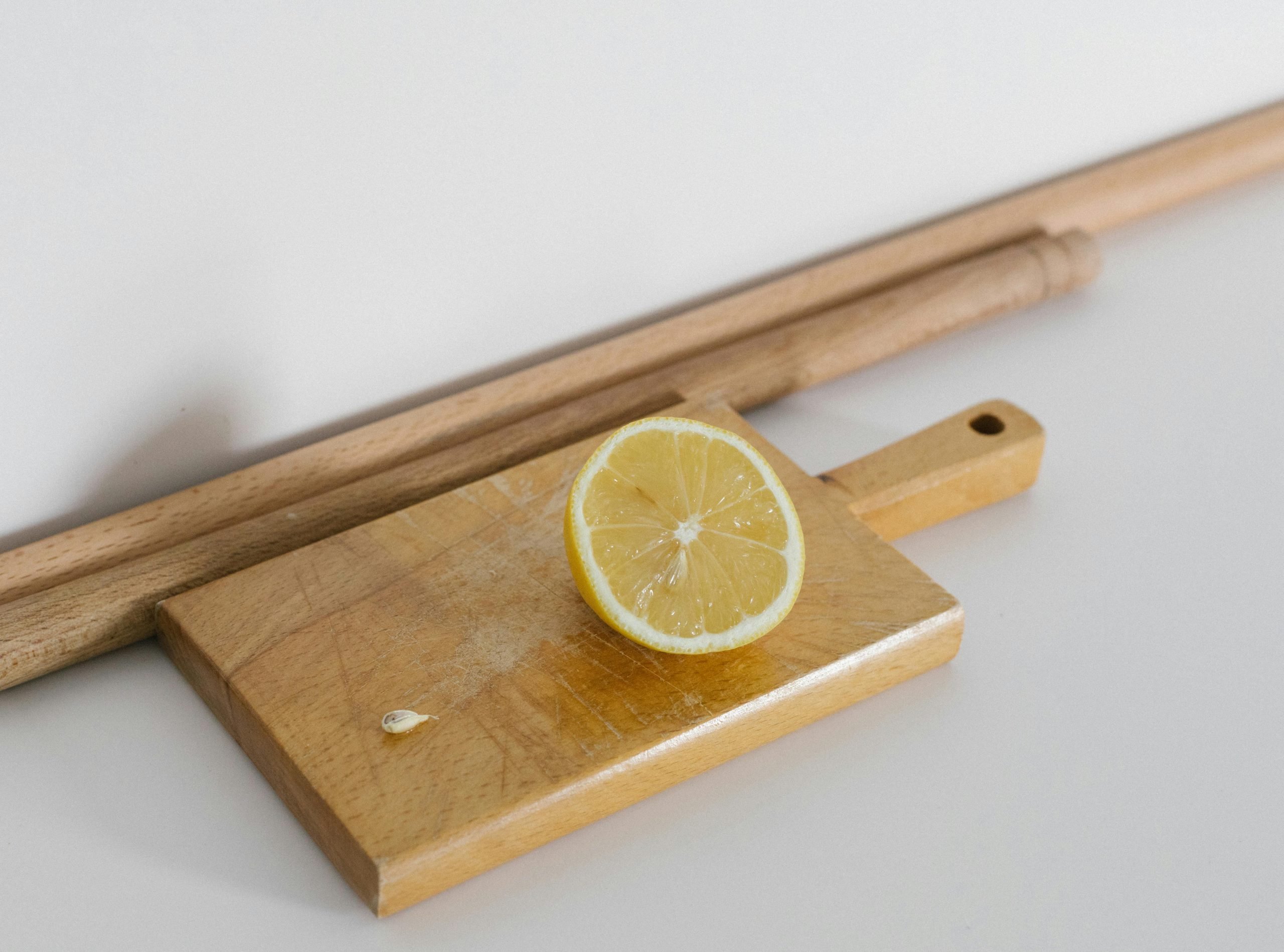
Are Wood Cutting Boards Safe: Evaluating Hygiene and Maintenance
Yes, wood cutting boards are safe — as long as you treat them like a tool and not a trophy. I’ve had the same end-grain maple board on my ranch kitchen counter for over a decade. It gets used hard, washed after every session, and oiled a few times a year. No mystery illnesses, no funky smells, no problems.
The safety issues people run into with wood boards almost always trace back to the same root causes: leaving them wet, ignoring deep grooves, or using one board for raw chicken and sliced bread without thinking twice. Fix those habits and a wood board is a reliable, long-lasting kitchen surface.
| Task | What to Do |
|---|---|
| Everyday chopping | Wash with hot water and dish soap, rinse, dry upright |
| Raw meat, poultry, or fish | Wash immediately, sanitize with diluted vinegar or bleach solution, rinse, dry completely |
| Odor control | Scrub with coarse salt and half a lemon, or rinse with white vinegar, then wash and dry |
| Monthly conditioning | Apply food-grade mineral oil when the wood looks dry or pale |
| Always avoid | Dishwasher cycles, soaking in water, storing wet, non-food-safe finishes |
| Replace or refinish when | Deep cracks, heavy grooves, loose joints, or stubborn odors that won’t clear |
Why Wood Cutting Boards Have a Safety Reputation Problem
The fear around wood boards picked up steam in the 1980s and 90s when food safety guidance leaned hard toward plastic. The thinking was simple: plastic is non-porous, dishwasher safe, and easy to replace. Wood seemed old-fashioned and difficult to sanitize.
That guidance made sense as a blunt rule for commercial kitchens juggling volume and liability. For a home kitchen where you control the cleaning habits, the picture is more nuanced.
What the Studies Actually Found
Research out of UC Davis, led by microbiologist Dean Cliver, found something that surprised a lot of people in the food safety world. When bacteria were introduced to wood cutting board surfaces and allowed to dry, the bacteria became unrecoverable — they couldn’t be cultured back out of the wood. The working theory is that bacteria get pulled into the wood grain and die off as the surface dries.
Plastic boards didn’t show the same behavior. Bacteria on plastic surfaces survived and could be recovered even after drying. That doesn’t make plastic dangerous — a clean, washed plastic board is perfectly safe — but it does challenge the assumption that plastic is automatically superior.
Where the Real Risk Lives
The actual danger isn’t the wood itself. It’s the conditions you create around it.
- Deep knife grooves — Over time, repeated cuts leave channels where bacteria can shelter, even after washing. A board with heavy scarring is harder to clean regardless of material.
- Cracks and splits — A cracked board holds moisture and organic matter in spots you can’t easily scrub out.
- Cross-contamination — Using the same board surface for raw chicken and then slicing vegetables without washing is the real culprit behind most kitchen foodborne illness incidents.
- Stored wet — A board that never fully dries between uses is a moisture problem, not a wood problem. Dry wood resists bacterial survival. Wet wood doesn’t.
Choosing the Right Wood Species
Not all wood makes a good cutting board, and the species matters more than most people realize when they’re buying one.
Hard maple is the gold standard in North America — tight grain, good hardness (about 1,450 on the Janka scale), and a clean, neutral surface. Most commercial butcher blocks are maple for a reason.
Walnut is slightly softer and easier on knife edges, which some cooks prefer. It’s darker, looks great, and holds up well. It does cost more than maple.
Teak is naturally high in silica and oils, which makes it very water-resistant. That sounds ideal, but the silica content can dull knives faster than maple or walnut. Good for a board that gets wet frequently, less ideal if you care about your knife edges.
Acacia is popular because it’s inexpensive and attractive. It’s a hardwood, but the grain can be inconsistent. Quality varies a lot by manufacturer.
On construction: end grain boards (where you’re cutting into the end of the wood fibers) are easier on knives and self-heal minor cuts as the fibers close back up. They’re typically thicker and heavier. Edge grain boards are more common, more affordable, and still excellent for daily use. Face grain boards look beautiful but show knife marks faster and aren’t ideal as working boards.
Whatever species you choose, avoid softwoods like pine or cedar for cutting surfaces. They scar deeply, harbor more debris in cuts, and wear out faster. Save those for serving boards where you’re not doing heavy knife work. Just like knowing how to season and store firewood properly means understanding wood characteristics, choosing a cutting board comes down to understanding how different species behave under use.
How to Clean a Wood Cutting Board the Right Way
The everyday routine is quick. After use, wash the board with hot water and a small amount of dish soap, rinse it thoroughly, and stand it upright to dry. Don’t lay it flat — air needs to circulate on both sides to prevent warping and moisture buildup.
The two things that will damage your board faster than anything else are the dishwasher and soaking in the sink. Both force water deep into the wood, which leads to cracking, warping, and joint failure on glued boards. Neither is worth the convenience.
After Raw Meat or Fish
This is the scenario that gets people nervous, and it deserves a direct protocol.
- Scrape off any residue with a bench scraper or the back of your knife.
- Wash immediately with hot water and dish soap — don’t let it sit.
- For an added layer of sanitization, spray or wipe with a diluted white vinegar solution (1:1 vinegar and water) or a very diluted bleach solution (1 tablespoon bleach per gallon of water). Let it sit for a minute, then rinse well.
- Rinse with clean water and dry thoroughly. Stand it upright.
If you prep raw meat regularly, the simplest solution is to keep a dedicated board for raw proteins — wood or plastic — and never use it for ready-to-eat foods without washing in between. It’s the same logic I use when handling two different types of fuel on the ranch: keep them separate, label clearly, no confusion.
Dealing With Odors and Stains
Garlic, onion, fish, and certain spices can leave lingering smells even after washing. Here’s what actually works:
- Salt and lemon: Pour a generous amount of coarse salt on the board, then rub the cut face of a lemon over the surface using firm pressure. The salt acts as an abrasive and the lemon juice neutralizes odors. Rinse and dry.
- White vinegar rinse: Wipe down with undiluted white vinegar, let sit for a few minutes, then rinse. Good for mild odors and surface bacteria.
- Baking soda paste: For stubborn stains, make a paste with baking soda and water, apply it, let it sit for a few minutes, scrub lightly, and rinse. Effective on discoloration from berries, turmeric, and similar ingredients.
How to Oil and Condition Your Board
Oiling is the maintenance step most people skip, and it’s the one that makes the biggest difference in how long a board lasts and how safe it stays. A dry board cracks. Cracks harbor bacteria and moisture. Oiling prevents that cycle from starting.
The right oil is food-grade mineral oil — it’s odorless, tasteless, doesn’t go rancid, and penetrates wood well. Avoid cooking oils like olive oil, vegetable oil, or coconut oil. They eventually go rancid inside the wood and create exactly the kind of off smell you’re trying to prevent.
Apply mineral oil generously to all surfaces — top, bottom, and sides. Let it soak in for a few hours or overnight, then wipe off the excess. For a new board, do this three to four times in the first week. After that, oil whenever the wood starts to look pale, dry, or when water stops beading on the surface. For most boards in regular use, that’s every month or two.
For a deeper conditioning treatment, a board cream or butcher block conditioner combines mineral oil with beeswax or carnauba wax to add a surface seal on top of the oil penetration. It leaves the board feeling smoother and provides better water repellency. I use it on my boards about once a season.
Signs Your Board Needs Replacing or Refinishing
A good wood board is repairable, which is one of its real advantages over plastic. But there are limits.
Refinish it when: The surface has accumulated knife marks and feels rough, but the board is otherwise structurally sound. Sand it down with 80-grit sandpaper, work up to 120 or 150, wipe clean, and apply several coats of mineral oil. It’ll come back looking close to new.
Replace it when:
- Deep cracks have formed that can’t be sanded out — they’ll hold moisture and bacteria regardless of how well you clean.
- Glue joints have failed and the board is separating — structural integrity is gone.
- Warping is severe enough that the board rocks on the counter, creating a safety hazard while cutting.
- Persistent odors remain even after the salt-lemon treatment and a proper oiling cycle. That usually means something organic is embedded deep in damaged wood fibers.
A well-maintained hardwood board should last ten to twenty years or longer. That’s a better return than replacing cheap plastic boards every two or three years — similar to how maintaining and sharpening your chainsaw chain extends tool life far beyond what neglect allows.
Wood vs. Plastic: Which Is Actually Safer?
Honest answer: neither material is universally safer. What matters is how well the board is maintained and how it’s used.
| Category | Wood | Plastic |
|---|---|---|
| Knife-friendly | Yes | Depends on thickness and hardness |
| Self-sanitizing potential | Yes (dry hardwood grain) | No |
| Dishwasher safe | No | Yes (most) |
| Repairable | Yes — sand and re-oil | Limited |
| Lifespan with care | 10–20+ years | 2–5 years |
| Best use case | Everyday prep, bread, vegetables, cooked foods | Dedicated raw meat board, high-volume situations |
My personal setup: a large end-grain maple board for general prep work, and a thin plastic board that goes in the dishwasher after raw chicken or fish. That combination covers the bases without overthinking it. You get the benefits of both materials where each one performs best.
Frequently Asked Questions
Is it safe to cut raw chicken on a wood cutting board?
Yes, with the right protocol. Cut the chicken, then wash the board immediately with hot soapy water, follow with a diluted vinegar or bleach rinse, and let it dry completely upright. The risk isn’t the wood — it’s letting contaminated surfaces sit wet or transferring raw juices to other foods. Many people keep a separate board just for raw proteins to simplify the habit.
Do wood cutting boards harbor more bacteria than plastic?
Research suggests they don’t, and in some conditions wood may be less hospitable to bacteria than plastic. The UC Davis studies found that bacteria drawn into dry wood grain died off, while bacteria on plastic surfaces survived. That said, a deeply grooved board of any material is harder to clean. Keep the surface in good condition and either material can be kept safe.
How often should I oil my wood cutting board?
Oil a new board three to four times in the first week to build up saturation. After that, oil whenever the wood looks dry, pale, or when water no longer beads on the surface — typically every one to two months for a board in regular use. If you live in a dry climate or use the board daily, you may need to oil more frequently in winter.
Can I put a wood cutting board in the dishwasher?
No. The combination of heat, prolonged moisture, and detergent will cause most wood boards to crack, warp, and lose glue joint integrity after just a few cycles. Hand washing is the only safe option for wood. If dishwasher convenience is a priority for raw meat cleanup, that’s a situation where a plastic board earns its place alongside your wood board.
What is the best oil for a wood cutting board?
Food-grade mineral oil is the standard recommendation — it’s inexpensive, odorless, tasteless, and doesn’t go rancid. Avoid olive oil, vegetable oil, coconut oil, and other cooking oils; they break down over time and can create off-smells inside the wood. For a finishing treatment, a board cream that combines mineral oil with beeswax adds a surface layer of protection that plain oil doesn’t provide.
How do I get rid of smell in a wood cutting board?
The salt-and-lemon method works well for most odors: cover the surface with coarse salt, then scrub firmly with the cut face of a lemon. Rinse, dry, and repeat if needed. For stronger odors, wipe with undiluted white vinegar, let it sit for a few minutes, then rinse. If neither method clears the smell after a couple of attempts, the odor may be embedded in damaged wood — that’s a sign the board needs sanding or replacement.
When should I replace a wood cutting board?
Replace it when it has deep cracks that can’t be sanded out, failed glue joints that leave gaps, severe warping that makes it unstable, or persistent odors that survive multiple cleaning and oiling cycles. Surface knife marks alone aren’t a reason to replace — sand the board smooth, re-oil it, and it has plenty of life left. A well-maintained hardwood board can last decades.
Is end grain safer than face grain for a cutting board?
End grain is generally considered better for cutting surfaces — not strictly because of safety, but because the wood fibers absorb cuts rather than severing them, which slows the accumulation of deep grooves where bacteria can shelter. End grain boards also tend to be gentler on knife edges. They’re heavier and more expensive, but they’re worth it if you’re buying a board meant to last twenty years.


