
Are Wood Ashes Good for the Garden: Benefits and Considerations
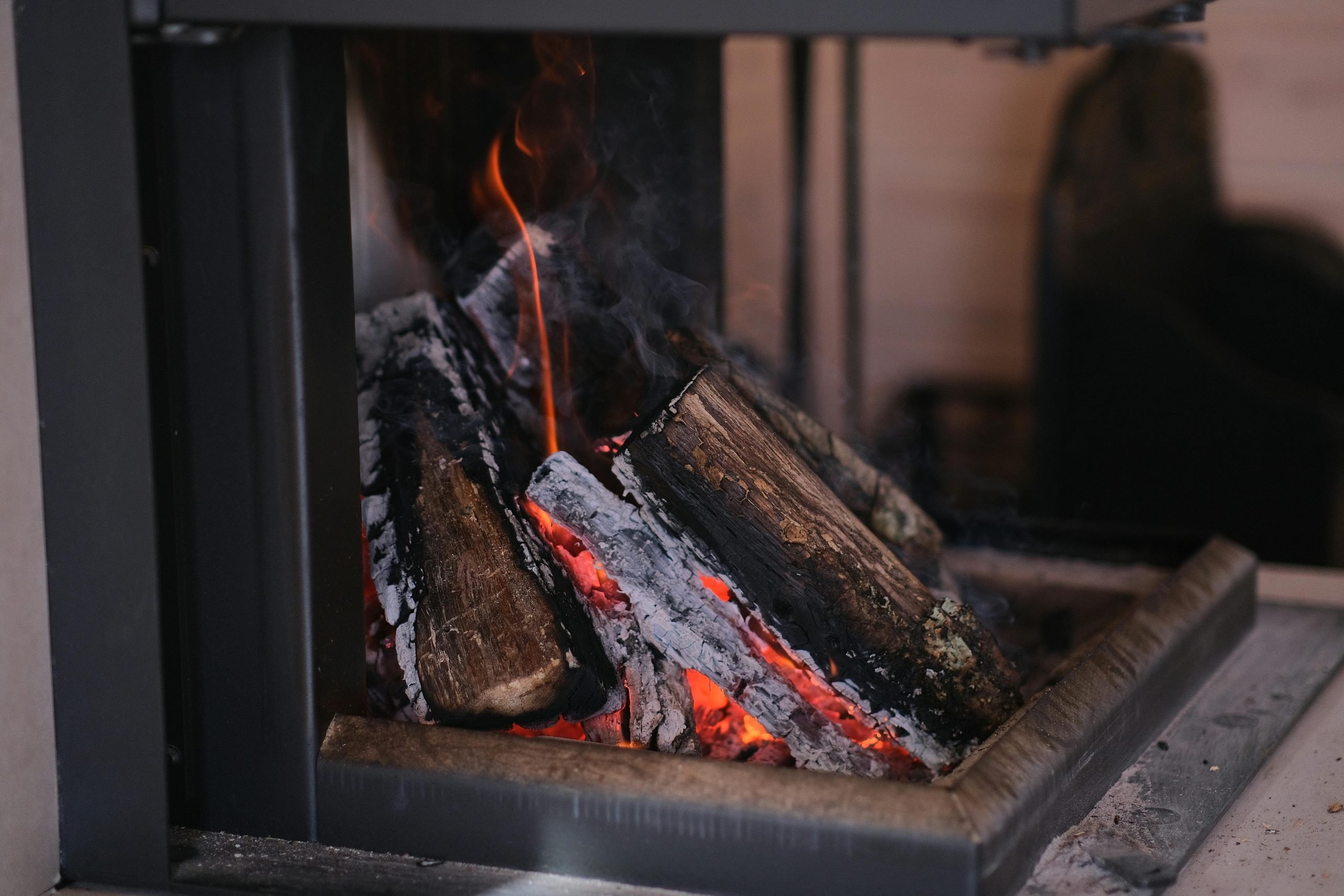
Every winter I burn through a cord or two of hardwood in the fireplace, and by spring I’ve got a five-gallon bucket full of ash sitting in the garage. For years I just dumped it — until a neighbor who’s been gardening the same Montana soil for forty years told me I was throwing away something useful. He was right, but only partly. Wood ash can genuinely help your garden, but it can also cause real problems if you apply it in the wrong place or in too large a quantity.
The short answer: yes, wood ashes are good for the garden — but only when your soil actually needs what ash provides. Test first, apply lightly, and stick to clean wood. Everything else flows from those three rules.
If you’re producing your own firewood and want to make the most of every part of that process, understanding what ends up in your ash bucket starts with knowing what you burned. I’ll come back to that. For now, let’s get into the details.
Quick Answer
| Use Wood Ash When… | Avoid or Use Caution When… |
|---|---|
| Soil is acidic and needs a pH lift | Soil is already neutral or alkaline |
| A soil test shows potassium may help | You grow acid-loving plants (blueberries, azaleas, rhododendrons) |
| Ash comes from clean, untreated hardwood | Ash comes from painted, treated, stained, glued wood, or trash |
| You apply it lightly and spread it evenly | You plan to dump thick piles in one spot |
| Ash is fully cooled and completely dry | Ash may still contain hot embers or is wet and clumping |
| Plants that benefit: tomatoes, beans, brassicas, garlic, lawns | Plants to avoid: blueberries, strawberries, potatoes, peppers, conifers |
What Wood Ash Actually Contains
Wood ash is what’s left after the organic material burns off. What remains is mostly mineral content — the stuff the tree pulled from the soil over its lifetime. A typical analysis of clean hardwood ash shows roughly 25–45% calcium carbonate, 3–7% potassium, and smaller amounts of magnesium, phosphorus, and trace elements like iron, manganese, and zinc.
The calcium carbonate is why ash raises pH. It acts similarly to agricultural lime — it neutralizes soil acidity. That’s useful when your soil runs acidic, and it’s a problem when it doesn’t.
One nutrient that’s essentially absent from wood ash is nitrogen. Nitrogen burns off during combustion. So ash is not a fertilizer in the traditional sense. It won’t green up yellowing leaves or replace a good compost application.
Wood type matters more than most people realize. Hardwoods — oak, maple, hickory, ash trees — produce ash with a higher mineral content than softwoods like pine or fir. If you want to understand how different wood species compare for burning quality, my guide to the best firewood for heat output breaks that down by species. The same woods that burn hotter and cleaner also leave behind richer ash.
Softwood ash isn’t useless, but it contains more resin residue and lower nutrient concentrations. Use it more sparingly.
Benefits of Using Wood Ash in the Garden
Raises pH in Acidic Soil
This is the main reason ash has been used in gardens for centuries. If your soil pH runs below 6.0, many nutrients become chemically unavailable to plants — even if those nutrients are physically present in the soil. Ash can move that number toward the neutral range of 6.5–7.0, where most vegetables and ornamentals do their best work.
Plants that respond well to a pH boost include tomatoes, garlic, onions, brassicas (cabbage, broccoli, kale), asparagus, and most lawn grasses. These plants aren’t acid-lovers. They want neutral to slightly alkaline soil, and ash can help deliver that.
The key word is “can.” If your soil is already at 6.8 or above, adding ash won’t help — it’ll push pH past 7.5 and start locking out nutrients like iron and manganese. That’s how a good intention turns into yellowing plants.
Adds Potassium and Calcium
Potassium — listed as “K” on fertilizer labels — is critical for fruit and flower development, root strength, and how efficiently plants move water. If a soil test shows you’re low on potassium, ash can help close that gap.
Calcium supports cell wall development and helps prevent common problems like blossom end rot in tomatoes and tip burn in lettuce. Most gardens aren’t severely calcium-deficient, but a light ash application on vegetable beds doesn’t hurt when the soil is acidic to begin with.
Again — ash is not a precision tool. Don’t try to use it to fix a diagnosed potassium deficiency on its own. Use it as part of a broader soil health approach that includes compost and organic matter.
Pest Deterrent Uses
Dry wood ash spread in a thin line around plants can deter slugs and snails. The fine gritty particles irritate their soft bodies, and the alkalinity is uncomfortable for them. I’ve used this around young transplants in spring with decent results.
The limitations are real though. As soon as it rains or you water, the barrier loses its effect. And repeated applications around the same plants can raise the local soil pH faster than you’d expect. Use it situationally — a light dusting when you’re dealing with a slug problem — not as a permanent soil treatment around acid-sensitive plants.
When to Avoid Wood Ash
The list of situations where ash causes problems is just as important as the benefits.
- Acid-loving plants. Blueberries, azaleas, rhododendrons, camellias, strawberries, and most conifers thrive in soil with a pH between 4.5 and 6.0. Ash will push that pH up and stress these plants. Keep ash completely away from these beds.
- Potatoes. Higher pH encourages potato scab, a fungal disease that roughens the skin. Even if your soil is slightly acidic, skip ash near potatoes.
- Peppers and eggplant. These prefer slightly acidic conditions. Ash doesn’t help them.
- Already alkaline soil. If your soil tests at 7.0 or above, there’s no benefit to adding ash. You’d be making an existing problem worse.
- Heavy clay soil. Ash can cause clumping and drainage issues in dense soils. Work it in lightly rather than surface-applying.
- Right before planting seeds. High-concentration ash near germinating seeds can inhibit germination. If you apply ash in spring, do it a few weeks before planting and water it in.
How to Test Your Soil Before You Apply Ash
Testing is non-negotiable. I don’t say that to be dramatic — I say it because I’ve watched people add ash to already-alkaline soil and spend the rest of the season wondering why their vegetables look terrible. A $10–15 soil test kit answers the only question that matters: does my soil need this?
For a basic home test, a pH test kit or digital meter will tell you whether your soil is acidic, neutral, or alkaline. For a more complete picture — including potassium, calcium, and nitrogen levels — your local cooperative extension office often runs comprehensive soil tests for under $20. That’s the most reliable option if you’ve never tested your garden before.
If you want a quick at-home option, a basic pH meter is fast and reusable:
Take samples from multiple spots in the garden. Soil pH can vary by several tenths of a point across a single bed. Mix samples from 4–6 spots and you’ll get a more representative reading.
How to Apply Wood Ash Safely
Once you’ve confirmed your soil is acidic and your plants will benefit, application is simple. The main mistakes are applying too much, applying unevenly, and applying at the wrong time of year.
How Much to Use
A general guideline for vegetable gardens is 5 to 10 pounds of ash per 100 square feet per year. For lawn applications, up to 10–15 pounds per 100 square feet is often cited, but start on the lower end and retest before adding more.
More is not better. Wood ash is concentrated. A thin, even application works better than a heavy dose. If you’re adding ash for the first time, start at the lower end of the range and test your soil again after 6 months to see how much the pH has shifted.
When to Apply
Fall is the best time to apply wood ash to garden beds. Applying in fall gives the ash time to work into the soil over winter, and the pH change will be more gradual and even by the time you plant in spring. If you apply in fall, moisture from rain and snow helps incorporate it naturally.
Spring application works too, but time it at least 2–3 weeks before planting and water it in well. Never apply ash the same day you plant seeds or transplants.
Avoid applying ash right before a heavy rain is forecast. A sudden downpour on a fresh ash application can cause runoff and concentrate it unevenly.
Safety and Storage
This part matters more than most people think. Ash holds heat for longer than you’d expect — embers can stay alive under the surface for days. Always store ash in a metal container with a tight-fitting lid, away from anything flammable. Never use a plastic bin.
When spreading ash, wear a dust mask and gloves. Fine ash particles are irritating to lungs and skin. Work on a calm day to avoid breathing ash dust blown back at you by wind.
Wet ash creates lye, which is caustic. If your stored ash has gotten wet and clumped, wear rubber gloves when handling it and avoid skin contact. It won’t dissolve you, but it will irritate exposed skin.
A digital pH meter is also worth having on hand for ongoing monitoring after you’ve started amending with ash:
What Kind of Ash Is Safe to Use
Not all ash is the same. The source material determines whether the ash is a soil amendment or a contamination risk. Burned wood carries whatever was in that wood — including adhesives, heavy metals from paint, and chemical preservatives from treated lumber.
| Ash Type | Safe to Use? | Notes |
|---|---|---|
| Hardwood (oak, maple, hickory, ash) | ✅ Yes | Best nutrient content, most recommended |
| Softwood (pine, fir, spruce) | ⚠️ Use sparingly | Lower nutrients, more resin residue |
| Painted or stained wood | ❌ No | May contain heavy metals and toxic pigments |
| Pressure-treated lumber | ❌ No | Contains arsenic compounds or copper preservatives |
| Plywood, OSB, particleboard | ❌ No | Glues and resins produce toxic ash |
| Paper or cardboard | ❌ No | Inks, coatings, and bleaching chemicals |
| Charcoal briquette ash | ❌ No | Contains binders, accelerants, and additives |
The safest ash comes from firewood you split and seasoned yourself — clean, dry hardwood with no coatings or treatments. If you know how to season and store firewood properly, you’re already starting with the right material. Dry, well-seasoned wood burns more completely, leaves cleaner ash, and gives you a better product for the garden.
If you’re burning wood from a fire pit that sees a mix of scrap wood, store-bought firewood, and whatever’s convenient, be more careful about what you use that ash for. When in doubt, leave it out of the vegetable garden.
Frequently Asked Questions
How much wood ash should I put in my garden?
A safe starting rate for vegetable gardens is 5 to 10 pounds per 100 square feet per year. For lawns, you can go up to 10–15 pounds per 100 square feet. Always start at the lower end and retest your soil after a season before adding more. Over-applying ash is a common mistake and can raise pH to the point where nutrients get locked out of the soil.
Can I put wood ash directly on plants?
Avoid piling ash directly against plant stems or leaves. Concentrated ash in contact with plant tissue can cause chemical burn. Spread it lightly across the soil surface around plants and water it in. Keep it away from the base of stems, and never apply it to wet foliage.
Which plants benefit most from wood ash?
Tomatoes, garlic, onions, brassicas (broccoli, cabbage, kale), asparagus, beans, and most lawn grasses do well with light ash applications in acidic soil. These plants prefer neutral to slightly alkaline pH and can benefit from the potassium and calcium ash provides.
Which plants should never get wood ash?
Keep wood ash away from blueberries, strawberries, rhododendrons, azaleas, camellias, potatoes, peppers, and most conifers. These plants prefer acidic conditions and will suffer if you raise soil pH. Potatoes are especially sensitive — higher pH promotes potato scab disease.
Does wood ash work the same as lime for raising pH?
They work similarly but not identically. Both raise soil pH through calcium carbonate, but wood ash acts faster than agricultural lime and contains additional nutrients like potassium. Wood ash is also less concentrated per pound than hydrated lime. Most sources suggest ash is roughly half as effective as ground limestone by weight for pH adjustment, so you need more ash to achieve the same shift.
How long does it take for wood ash to change soil pH?
You’ll typically see measurable pH change within a few weeks of application, especially if you water it in and the soil is moist. For a more gradual, even shift across the full root zone, apply in fall and let winter rain and soil activity do the work. Test again in spring before planting to see where you land.
Can I put fireplace ash in my compost pile?
Yes, in small amounts. A light dusting of ash between compost layers is fine. The calcium and potassium can be beneficial. But don’t add large quantities at once — concentrated ash in a compost pile can raise pH enough to inhibit the microbial activity that breaks down organic matter. Think of it as a seasoning, not an ingredient you add by the bucket.
Is ash from a fire pit safe to use in the garden?
It depends entirely on what you burned. If your fire pit sees clean, untreated hardwood only, the ash is safe to use. If you’ve burned cardboard, pallets, scrap lumber, or anything painted or stained, skip using that ash in the garden. Mixed-source fire pit ash is the riskiest because you often can’t trace exactly what went into it over a whole season.


